
Most best nail care tips sound the same: Moisturize, don’t bite, and always use a base coat. While this advice is common, many people still find their nails breaking or peeling at the worst possible time.
You’ve heard it all — and your nails still break, peel, or yellow at the worst possible time. So what’s actually going wrong?
Here’s the truth: most people skip the *fundamentals* and jump straight to products. But no serum or strengthener will fix nails that are constantly wet, malnourished, or filed the wrong way.
These **best nail care tips** cut through the noise. They’re backed by dermatologists, grounded in science, and simple enough to start tonight, whether you’re doing nail care at home or getting a pro service done.
Why Your Nails Keep Breaking (And What’s Really Behind It)
Brittle nail syndrome affects approximately 20% of the population, and most cases aren’t caused by nutritional deficiencies at all, but by repeated cycles of wetting and drying the nail plate.
That means the dishes you do every evening, the hand washing, the acetone remover, these everyday habits are quietly damaging your nails more than almost anything else.
Understanding this changes how you approach nail care entirely. You stop chasing supplements and start protecting what you already have.
10 Best Nail Care Tips You Can Start Today
1. Dry Your Nails Completely After Every Water Exposure
Repeat exposure to water softens the nail plate, which then hardens unevenly as it dries — creating the ideal conditions for splitting and peeling. This cycle, repeated daily, is the leading cause of brittle nails according to most dermatologists.
After every handwash, dish session, or shower, dry your nails thoroughly, including under the tip. A soft brush to clean under the nail edge takes 10 seconds and removes bacteria before they settle in.
2. Trim Every 1–2 Weeks With Sharp Tools
Dull clippers create micro-tears at the nail edge that grow into splits and peeling layers. Always use sharp, clean clippers or manicure scissors.
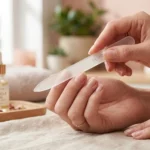
Trim straight across, then gently round the corners with a fine-grit file. This shape is structurally the strongest — it distributes pressure evenly and resists breakage far better than a rounded or pointed tip. And always file in one direction only. Back-and-forth friction weakens the nail edge faster than almost anything else.
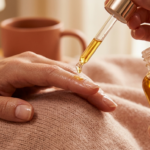
3. Apply Cuticle Oil Every Night, No Exceptions
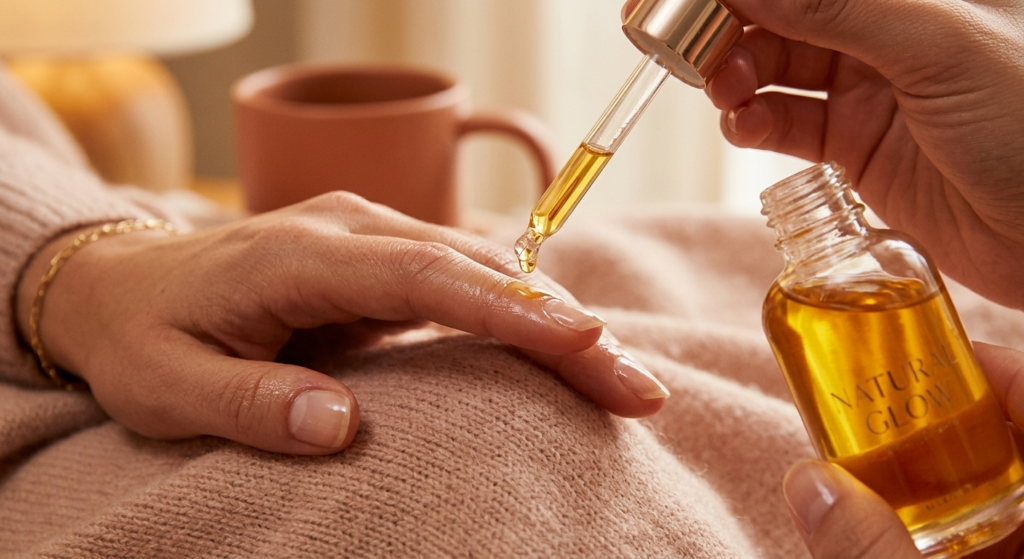
This is the single most impactful beauty tip for nail care that most people skip. Your cuticles are the protective seal between your skin and the nail matrix, the zone where new nail cells form. When cuticles dry out and crack, bacteria get direct access to that growth zone.
Apply cuticle oil or a rich hand cream every night before bed. Look for jojoba oil, vitamin E, or shea butter. Keep a cuticle oil pen at your desk for midday touch-ups. Two weeks of consistency and the difference will be obvious.
4. Push Cuticles Back — Never Cut Them
A lot of nail salons still cut cuticles. It’s faster, it looks tidier immediately — but it removes the barrier your nail depends on entirely.
Instead, soak hands in warm water for five minutes to soften the skin, then gently push cuticles back with a wooden orange stick or rubber cuticle pusher. Safer, less painful, and genuinely better for long-term nail health. If a nail technician reaches for the nippers, you’re well within your rights to say no.
5. Always Use a Base Coat Before Any Polish
A base coat does two jobs: it shields the nail from staining under pigmented polish, and it gives the color something proper to bond with, so it lasts longer.
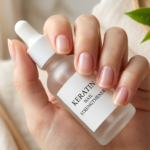
The bigger benefit most people miss is that strengthening base coats contain calcium, collagen, or keratin that actively reinforce the nail plate with regular use. Apply it even on no-polish days. It’s invisible, dries fast, and gives your nails quite a protection all week long.
6. Feed Your Nails From the Inside

Topical products can only do so much. Your nails are made of keratin, and keratin is built from what you eat. The nutrients that matter most:
- Biotin: eggs, almonds, sweet potatoes
- Iron: spinach, lentils, red meat
- Omega-3 fatty acids: salmon, walnuts, chia seeds
- Zinc: pumpkin seeds, chickpeas
On biotin specifically: a study of 45 patients with thin and brittle fingernails found that 2.5mg of biotin daily for an average of 5.5 months resulted in firmer, harder nails in 91% of participants. That’s a genuinely impressive result, though it’s worth noting this works best for those with an actual deficiency, not as a universal fix.
If your diet is inconsistent, a biotin supplement is worth considering. But food first, always.
7. Switch to Acetone-Free Nail Polish Remover
Acetone strips moisture from both the nail plate and the surrounding skin. Use it regularly, and no amount of cuticle oil will keep up with the dehydration it causes.
Acetone-free removers take slightly longer, but they’re far gentler for everyday use. Save the acetone for stubborn gel removal, and follow it immediately with cuticle oil.
8. Stop Using Your Nails as Tools
Opening cans, peeling labels, and scratching off stickers, every time you do this, you create stress fractures at the nail tip that eventually cause full breaks and peeling layers. Use the pad of your finger instead, or keep a small pocket tool on hand. It’s a tiny habit change with a disproportionately large payoff.
9. Give Your Nails a Polish-Free Break Monthly
Constant polish use, especially dark shades without a base coat, causes long-term yellowing and gradual thinning of the nail plate. Even the best DIY nail care tips won’t reverse that if the underlying habit doesn’t change.
Go polish-free for three to five days every month. Use that window to apply cuticle oil twice daily and let the nail plate recover. You’ll notice nails grow back noticeably thicker and more resilient with every cycle.
10. Wear Gloves for Cleaning and Dishes
Harsh cleaning chemicals and prolonged hot water exposure are two of the fastest ways to damage nails and skin. Rubber or nitrile gloves are a simple, cheap solution that most people skip because it feels excessive.
It isn’t. This single habit dramatically extends the life of your nails and any manicure you’re wearing. Keep a pair under the kitchen sink so it’s impossible to forget.
Easy DIY Nail Care Tips for Stronger Nails at Home
These DIY nail care tips take minimal effort and cost almost nothing:
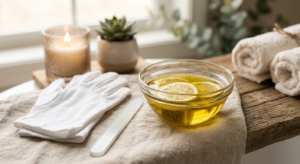
Weekly strengthening soak: Mix warm water with one teaspoon of olive oil and a few drops of lemon juice. Soak nails for 10 minutes; the oil moisturizes while the lemon gently brightens any yellowing. Follow with cuticle oil.
Switch to a glass nail file: Traditional emery boards create micro-tears at the nail edge. Glass files are smoother, seal the nail edge as they file, and can be washed and reused indefinitely. Usually under $10 and worth every penny.
Nighttime moisture lock: Apply cuticle oil before bed, then slip on a thin pair of cotton gloves. This technique accelerates recovery for dry, damaged nails significantly, and it’s something dermatologists actively recommend for stubborn cases.
Tips & Toes Pro Nail Care: What Professionals Actually Do Differently
Even the most consistent nail care at home routine benefits from occasional professional maintenance. Here’s what tips & toes pro nail care looks like when it’s done properly:
- Tools are sterilized between every single client — always check this before sitting down
- Cuticles are pushed back, never cut
- A proper base coat goes on before any color, every time
- Nail shape is chosen based on your natural nail bed, not just the trend
- Conditioning and strengthening treatments are used during the service, not skipped
A good nail technician welcomes questions. If they seem annoyed by them, that tells you something.
Common Nail Problems, Quick Fix Table
| Problem | Likely Cause | Fix |
|---|---|---|
| Brittle, peeling nails | Repeated wet/dry cycles | Dry thoroughly, cuticle oil daily |
| Yellow discoloration | No base coat, pigmented polish | Always use base coat, whitening treatment |
| Horizontal ridges | Stress or nutritional deficiency | Improve diet, consider biotin |
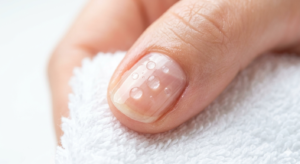
| White spots | Minor nail trauma | Grows out naturally with good care |
| Slow growth | Poor circulation, nutrition gaps | Daily nail massage, balanced diet |
Frequently Asked Questions
How often should I moisturize my nails?
Daily, at a minimum, twice daily is better. Once in the morning after washing hands, once at night before bed. Consistency matters far more than which product you use.
What’s the best DIY nail care tip for weak nails?
The combination of a strengthening base coat, daily cuticle oil, and a weekly olive oil soak delivers the most noticeable results. Add dietary improvements if nutrition is a factor.
How long does it take to grow out damaged nails?
Fingernails grow roughly 3–4mm per month, so a full replacement cycle takes around six months. With proper nail care at home, you’ll see healthier new growth within four to six weeks.
Can home beauty tips for nail care replace salon visits?
For daily maintenance, absolutely. For gel application, fills, or structural repairs, a professional is still the better choice. Think of home care as what keeps your nails healthy between visits, not a replacement for them.
Final Thoughts
The best nail care tips aren’t complicated; they’re consistent.
Clean, dry nails. Daily cuticle oil. The right tools. Food that supports keratin production. These fundamentals beat any trending product every single time.
Start with two or three habits from this list tonight. Whether you’re building a DIY nail care routine at home or complementing professional tips & toes pro nail care, the foundation never changes: daily attention, gentle handling, and real consistency.
Strong, beautiful nails are within reach. You just have to show up for them every day.
Want to go deeper? Read our guide on [Gel Nail Care Tips: How to Keep Your Gel Manicure Healthy and Lasting Longer](#) — the next step after you’ve nailed the basics.


2 thoughts on “Best Nail Care Tips for Healthy, Beautiful Nails”