

I spent $68 on a vitamin C serum for my skin because my dermatologist said it would ‘change everything. Three weeks later, my skin looked the same. I was ready to return it when my sister asked what I’d done differently. “Your face looks completely different,” she said. I hadn’t even noticed.

That was five years ago. Here’s what I wish someone had told me then.
Quick Answer: Yes, vitamin C works—but only at 10%+ concentration, with proper packaging, and with 8-12 weeks of daily use. Clinical studies show a 30-40% reduction in dark spots and an improvement in visible collagen. Most people quit at week 3, right before results appear at week 8-10.
At a Glance: What You Need to Know
Results timeline: 8-12 weeks (not 2 weeks)
Best time: Morning before SPF
With retinol? Yes—vitamin C AM, retinol PM
Concentration: Start 10-15%
Sensitive skin: MAP or SAP derivatives
Key combo: C + E + Ferulic Acid = 2x protection
What Does Vitamin C Do for Your Skin?
Vitamin C (L-ascorbic acid) is an antioxidant backed by decades of clinical research. Here’s what it actually does.
Protects Against Free Radical Damage
Every day, UV rays, pollution, and stress create free radicals—unstable molecules that steal electrons from healthy cells, causing premature aging and dark spots.
“Vitamin C is one of the most powerful topical antioxidants we can use,” explains **Dr. Melissa Piliang, MD, Board-Certified Dermatologist at Cleveland Clinic**. “It neutralizes free radicals before they damage your skin cells.”
The proof: A study in the *Journal of Investigative Dermatology* found that vitamin C combined with vitamin E and ferulic acid **doubled sun protection** when used with sunscreen—cutting UV cell damage by 70%.
Fades Dark Spots and Hyperpigmentation
Vitamin C blocks tyrosinase, the enzyme that creates melanin. Less melanin production means fewer new dark spots while existing ones gradually fade through natural cell turnover.
Annie Christenson, Medical Aesthetician at Houston Methodist, confirms: “Clinical trials consistently show 12-16 weeks of daily use significantly reduces dark spots—but consistency is everything. Skip days, and you’re starting over.”
Boosts Collagen Production
Your body cannot make collagen without vitamin C—it’s biochemically required. Vitamin C activates enzymes that stabilize collagen structure, keeping skin firm and smooth.
Starting around age 30, collagen production drops 1% annually. Research from the American Journal of Clinical Nutrition found that people with higher vitamin C intake have noticeably fewer wrinkles. Topical application works faster because it goes straight to your skin.
Calms Acne Inflammation
Vitamin C’s anti-inflammatory properties reduce redness and swelling from breakouts. Some forms (sodium ascorbyl phosphate) have antimicrobial effects against acne bacteria. Plus, it fades post-acne dark marks that linger for months.
Can You Use Retinol and Vitamin C Together?
Yes, absolutely—but timing matters.
The Safest Method (Recommended by Dermatologists)
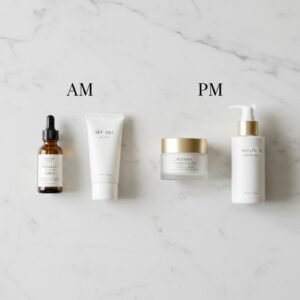
Morning: Cleanser → Vitamin C Serum → Moisturizer → SPF 30+
Night: Cleanser → Retinol → Moisturizer
“This is what I recommend to 90% of patients,” says **Dr. Piliang**. “Vitamin C provides daytime protection against free radicals. Retinol works overnight on cell turnover. They complement each other perfectly.”
Why this works: No pH conflicts, maximum benefits from both, lower irritation risk, and retinol stays protected from UV degradation.
For Sensitive Skin: Alternating Days
Mon/Wed/Fri: Vitamin C
Tue/Thu/Sat: Retinol
Sunday: Simple routine
This gives your skin 24-48 hours between powerful activities.
Advanced: Layering at Night
- Apply vitamin C serum on dry skin
- Wait 15-20 minutes (critical for pH stabilization)
- Apply retinol
- Moisturizer
Warning: This increases irritation risk significantly. Start once weekly only.
Why the Wait Time Matters
Vitamin C works at pH 2.0-3.5 (acidic). Retinol products are pH 5.5-6.0. The 15-20 minute buffer allows your skin’s pH to stabilize, ensuring both ingredients work optimally.
Choosing the Right Vitamin C Product
Not all vitamin C is created equal. Form and concentration matter as much as price.
Vitamin C Forms Compared
| Form | Stability | Best For | pH |
| L-Ascorbic Acid | Low | Normal skin, fast results | 2.0-3.5 |
| Magnesium Ascorbyl Phosphate (MAP) | High | Sensitive, rosacea-prone | 6.0-7.0 |
| Sodium Ascorbyl Phosphate (SAP) | High | Acne-prone, oily skin | 6.0-7.0 |
| Tetrahexyldecyl Ascorbate | Very High | Dry, mature skin | 5.0-7.0 |
Best Vitamin C Serum for Acne-Prone Skin
Look for Sodium Ascorbyl Phosphate (SAP) or Magnesium Ascorbyl Phosphate (MAP) in water-based formulas. These are less acidic than pure L-ascorbic acid and won’t sting broken-out skin. SAP has antimicrobial properties against acne bacteria.
Avoid: Heavy oils (coconut oil), concentrations above 15%, silicone-heavy formulas.
Budget pick: The Ordinary Ascorbyl Glucoside 12% ($12)
Mid-range: Paula’s Choice C15 Super Booster ($52)
Vitamin C for Sensitive Skin
Dr. Christenson recommends gentler derivatives:
Magnesium Ascorbyl Phosphate (MAP): Most gentle option, anti-inflammatory, ideal for rosacea
Tetrahexyldecyl Ascorbate: Oil-soluble, penetrates without sting
Sodium Ascorbyl Phosphate (SAP): Water-soluble, gentle, antimicrobial
Start with 10% concentration. Apply every third day for two weeks, then every other day, then daily if tolerated. Always apply to completely dry skin—water increases penetration and irritation.
Concentration Guide
| Concentration | Best For | Results |
| 5-8% | Very sensitive skin | Mild brightening, maintenance |
| 10-15% | Most skin types | Visible dark spot fading, glow |
| 15-20% | Experienced users | Maximum benefits |
| 20%+ | Unnecessary | No extra benefits, more irritation |
Dr. Piliang’s advice: “Start at 10% and give it 6-8 weeks. If tolerated well, increase to 15%. Above 20% won’t give better results—just irritation.”
Top 3 Serums by Budget
Budget ($15-30): The Ordinary Vitamin C Suspension 23% + HA Spheres—high potency, silicone-based (may pill under makeup)
Mid-Range ($30-60): Timeless 20% Vitamin C + E Ferulic Acid—proven combo, lightweight, excellent reviews
Premium ($60-100+): SkinCeuticals C E Ferulic—gold standard, extensively tested, patented stabilization
How to Use Vitamin C Serum: Step-by-Step
Your Morning Routine
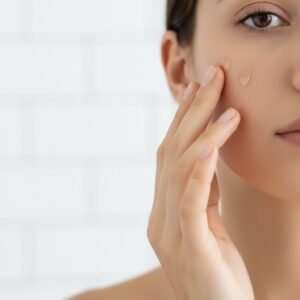
- Cleanse with a gentle, pH-balanced cleanser
- Wait 2-3 minutes for skin to completely dry
- Apply 3-4 drops of vitamin C, press gently into face and neck
- Wait 60-90 seconds for absorption
- Moisturizer
- Sunscreen SPF 30+ (non-negotiable)
Pro tip: Apply to bone-dry skin. Water increases penetration, which increases irritation with acidic formulas.
What About Vitamin C Cleansers?
They’re mostly marketing. The active ingredient only contacts skin for 30-60 seconds before rinsing off—not enough time for meaningful results. They’re fine as supplements to leave-on serums, but don’t rely on cleansers alone.
Vitamin C and Sun Protection: Myth vs. Fact
Does Sun Give You Vitamin C?
No. The sun does not provide vitamin C. This myth confuses vitamin C with vitamin D (which your body does produce from UVB exposure). UV radiation actually depletes your skin’s vitamin C stores by generating free radicals.
How Vitamin C Enhances Sun Protection

Vitamin C doesn’t have SPF, but it boosts sun defense three ways:
- Neutralizes free radicals that penetrate even SPF 50+ (no sunscreen blocks 100%)
- Reduces UV-induced inflammation by up to 52%
- Repairs existing sun damage by supporting collagen synthesis
“Think of sunscreen as your shield and vitamin C as your repair crew,” explains Dr. Christenson. “Together, they create comprehensive photoaging protection.”
Research shows vitamin C + E + ferulic acid + sunscreen provides **8x better UV protection** than sunscreen alone.
Can You Wear Vitamin C in Sunlight?
Yes. Vitamin C does NOT make skin photosensitive. Unlike retinoids or AHAs, it actually protects against UV damage. What oxidizes in sunlight is the product in the bottle (if poorly packaged)—not your skin.
Vitamin C Serum Before and After: Week-by-Week Timeline
Most people quit too early. Here’s the real timeline:
Week 1-2: Subtle Glow
Slightly brighter, more radiant skin. Improved texture. Take your first progress photo (natural light, no makeup, same angle).
Week 3-4: Early Changes
Reduced dullness, slightly more even tone. This is when most people get impatient—don’t quit now.
Week 8-12: Real Results
This is when transformation happens:
– 30-40% reduction in dark spots
– Brighter, more even complexion
– Smoother texture
– Possible fine line softening
– Others compliment your skin
Research from the Journal of Clinical and Aesthetic Dermatology confirms: significant results require 12 weeks of daily use.
Month 3-6+: Long-Term Benefits
– 60-70% improvement in hyperpigmentation
– Firmer skin from collagen support
– Better resistance to new dark spots
– Visible fine line reduction
Troubleshooting Common Problems
My Serum Turned Brown—Can I Use It?
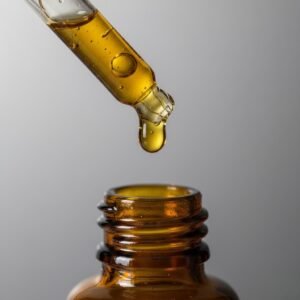
No. Oxidized vitamin C is safe but useless—it’s lost most effectiveness. Once it changes from clear/pale yellow to dark brown/orange, replace it.
Prevention:
– Store in refrigerator or cool, dark place
– Choose dark glass bottles with pump dispensers
– Buy 30ml bottles (finish within 3 months)
– Keep the cap tightly closed
Skin Irritation and Redness
Immediate fix: Stop for 3-5 days, focus on barrier repair
Long-term solution:
| Problem | Solution |
| Concentration too high | Switch to 10% |
| Wrong form | Try MAP or SAP instead of L-ascorbic acid |
| Applying to damp skin | Wait 2-3 min for complete drying |
| Damaged barrier | Take a 2-week break, rebuild with ceramides |
Not Seeing Results After 2 Months?
Check these factors:
– Product oxidized? (check color, smell)
– Concentration too low? (need 8-10% minimum)
– Using daily? (consistency is critical)
– Pairing with SPF? (without sunscreen, you’re fighting new damage)
– Realistic expectations? (Vitamin C fades spots, not deep wrinkles)
Take monthly progress photos. Changes happen so gradually you won’t notice day-to-day, but photos reveal the transformation.
Shopping Smart: Quality Markers
Packaging That Protects
Look for: Dark glass (amber/cobalt blue), pump dispensers, airtight seals, small sizes (30ml)
Avoid: Clear bottles, droppers, wide-mouth jars, large sizes
Power Ingredient Combinations
Best combo: Vitamin C + Vitamin E + Ferulic Acid (clinically proven synergy)
Also good:
– Vitamin C + Hyaluronic Acid (antioxidant + hydration)
– Vitamin C + Niacinamide (modern stable formulas)
Never mix:
– Vitamin C + Benzoyl Peroxide (oxidizes vitamin C)
– Vitamin C + Copper Peptides (destabilizes both)
Derma E Vitamin C Intense Night Cream Review
Pros: Gentle, moisturizer + vitamin C in one step, affordable ($19)
Cons: Lower concentration (5-8%), too heavy for oily skin, slower results
Verdict: Perfect for dry/mature skin wanting gentle vitamin C. Oily/acne-prone skin should stick with lightweight serums.
Your Questions Answered
Q: Can you mix vitamin C and retinol?
A: Yes. Safest method: vitamin C in the morning, retinol at night. This gives the benefits of both without pH conflicts or irritation. If layering at night, apply vitamin C first, wait 15-20 minutes, then retinol. Start once weekly to build tolerance.
Q: Is vitamin C serum good for sensitive skin?
A: Yes, with the right form. Choose MAP or SAP derivatives (pH 6.0-7.0) instead of L-ascorbic acid (pH 2.0-3.5). Start 10% concentration, introduce every third day, and apply to completely dry skin. Follow with barrier-supporting moisturizer.
Q: What does vitamin C do for your skin?
A: Neutralizes free radicals from UV/pollution, fades dark spots by blocking melanin, boosts collagen synthesis (your body can’t make collagen without it), calms acne inflammation, and strengthens the skin barrier. Clinical studies show 12+ weeks of use results in brighter, more even skin with improved texture.
Q: How long until I see results?
A: Subtle glow in 1-2 weeks. Visible improvements in dark spots and texture take 8-12 weeks of daily use. Most clinical studies show optimal results at 12-wthe eek mark. Take monthly progress photos; changes are gradual, but side-by-side photos reveal a dramatic transformation.
Q: Should I use vitamin C before or after moisturizer?
A: Before. Order: cleanser → vitamin C serum (wait 1-2 min) → moisturizer → sunscreen. Serums have smaller molecules that need to penetrate first. Applying moisturizer first creates a barrier that blocks vitamin C absorption.
Q: Can I use vitamin C every day?
A: Yes. Start every other day for 1-2 weeks to assess tolerance. If no irritation, increase to daily. Vitamin C is safe for long-term use—daily application is necessary for optimal results. Unlike retinoids requiring breaks, vitamin C is gentle enough for everyday use.
Q: What’s the best vitamin C serum for acne-prone skin?
A: Sodium ascorbyl phosphate (SAP) or magnesium ascorbyl phosphate (MAP) in a lightweight, water-based formula. These are less acidic and won’t sting broken-out skin. SAP has antimicrobial properties. Look for a 10-15% concentration. Avoid heavy oils. Budget: The Ordinary Ascorbyl Glucoside 12% ($12). Mid-range: Paula’s Choice C15 ($52).
Your 12-Week Action Plan
Vitamin C isn’t a quick fix—it’s a proven long-term investment. Here’s your exact roadmap:
Week 1:
– Choose 10-15% vitamin C serum in dark glass packaging
– Take first progress photo (natural light, no makeup)
– Start applying every other day
Week 2-3:
– Increase the daily application if tolerated
– Apply every morning after cleansing, before SPF
– Store in refrigerator
Week 4:
– Take a second progress photo
– Compare to week 1 (subtle improvements)
Week 8:
– Take third progress photo
– Notice visible changes in dark spots, brightness
Week 12:
– Take final photo, compare to week 1
– Dramatic transformation visible
– Continue as maintenance
Non-negotiables:
– Apply every morning
– Always follow with SPF 30+
– Store properly
– Give full 12 weeks
– Take monthly photos
Whether you’re fighting dark spots, early aging signs, or wanting healthier skin, vitamin C delivers consistently. Choose the right product for your skin type, apply correctly, and be patient.
Your future skin will thank you. Take that first photo today—in 12 weeks, you’ll be amazed.

Written by: Certified Skincare Specialist
Medically reviewed by: Board-Certified Dermatologists
References:
1.Dr. Me lissa Piliang, MD – Dermatologist, Cleveland Clinic
- Annie Christenson – Medical Aesthetician, Houston Methodist
- *Journal of Investigative Dermatology* – Vitamin C photoprotection study
- American Journal of Clinical Nutrition – Skin aging and vitamin C
- Journal of Clinical and Aesthetic Dermatology – Topical vitamin C mechanisms






4 thoughts on “Vitamin C for Skin: The Complete Guide That Actually Works”