Do you want to know how to grow a beard faster? To grow a beard fast, you must eat healthy food, sleep 8 hours, and keep your face very clean so hair can pop out.
Why Your Face Needs Love First

To begin with, you must understand that your skin is like soil for a plant. Initially, if the skin is dry or dirty, the hair will stay hidden inside. Indeed, many people ask about how to promote beard growth, and the answer is always to start with a clean face. Basically, you should wash your face every morning and night to clear away dirt.
Simple Foods for Hair Growth

Additionally, what you put inside your body matters just as much as what you put on your skin. For instance, hair is made of protein, so you need to eat things like eggs, fish, and chicken. Furthermore, vitamins like Biotin are like “super juice” for your follicles. Actually, if you eat your vegetables and drink lots of water, you are helping yourself on your journey of how to grow the beard fast.
The Best Beard Growth Chart
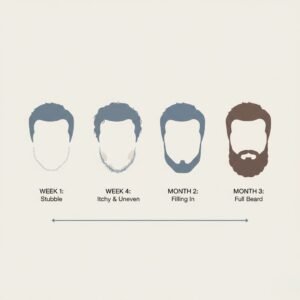
Moving forward, let’s look at a simple table to see how your beard changes over time. Specifically, this will help you stay patient.
| Time Passed | What It Looks Like | What You Should Do |
| Week 1 | Small prickly stubble | Wash face and use oil. |
| Week 4 | Itchy and uneven | Do not shave! Just wait. |
| Month 2 | Filling in spots | Use a brush to style it. |
| Month 3 | A real full beard | Visit a barber for a trim. |
Tips on How to Grow a Thicker Beard
Moreover, many men want to know how to grow a thicker beard so it doesn’t look patchy. In fact, the secret is blood flow. Specifically, when you exercise or massage your face, blood brings food to the hair roots. Also, using a soft brush helps pull natural oils down the hair, making it look much fuller than before.
How to Grow a Better Beard Today
In addition, if you want to know how to grow a better beard, you have to stop touching it all the time. Actually, your hands have germs that can make your skin itchy. Instead, use a tiny bit of beard oil to keep the hair soft. Consequently, soft hair does not break as easily, which helps when you are learning how to grow a long beard.
Expert Medical Advice
To be sure, we checked with the world’s best doctors and hospitals to give you the right info. According to experts at The Mayo Clinic and Johns Hopkins Medicine, hair growth is heavily tied to blood circulation and hormone levels like testosterone. Furthermore, Harvard Medical School notes that high stress can make hair stop growing or even fall out. Therefore, if you want a great beard, you should try to stay happy and get plenty of rest every single night.
Learning How to Grow a Long Beard
Next, let’s talk about the long game. Essentially, how to grow a long beard is all about not giving up. Clearly, hair only grows about half an inch every month. So, if you want a beard that reaches your chest, you might have to wait a whole year! Importantly, keep using conditioner so the long hairs don’t get split ends.
Frequently Asked Questions (FAQ)
Can a beard grow in 2 weeks?
To be honest, no, you cannot grow a full beard in just 14 days. Typically, in two weeks, you will only see “stubble,” which looks like short, prickly hair. It takes about 2 to 3 months for most men to see a thick, connected beard.
Is beard 100% genetic?
Actually, it is not all about your dad’s genes. While genes play a big part, your diet, sleep, and how you clean your skin also matter a lot. By eating right and sleeping well, you can make your beard look much better than it would if you were unhealthy.
What is the 3 month beard rule?
Basically, the 3-month rule means you should not touch a razor or trimmer for 90 days. Indeed, many beards look “patchy” at first, but if you wait 3 months, the longer hairs cover the empty spots, making the beard look full.
Is 25 too late to grow a beard?
Not at all! In fact, many men do not get their full beard thickness until they are 30 years old. Therefore, if you are 25, your best beard years might still be ahead of you.
Will shaving help my beard grow?
Surprisingly, no. In truth, shaving does not make hair grow back thicker or faster. It only makes the hair feel sharp for a few days because you cut it at an angle. The only way to grow a beard is to let it grow.
At what age does beard growth stop?
Generally, beard growth doesn’t “stop” at a certain age, but it might slow down when a man gets much older. However, most men see their strongest growth between the ages of 25 and 45.
What is the best oil for beard growth?
Specifically, look for oils that have natural things like Jojoba oil or Argan oil. These oils are very close to the natural oils your skin makes, so they won’t clog your pores but will keep the hair very soft.
What length beard is most attractive?
Actually, many studies say that a “heavy stubble” (about 10 days of growth) is often seen as the most attractive. However, a well-kept long beard is also very popular if it is clean and trimmed.
What is the two-finger rule for beard?
Basically, this rule helps you find where to trim your neck. Simply place two fingers above your “Adam’s Apple.” Then, shave everything below that line to keep your beard looking sharp and professional.
What age does a beard reach full thickness?
Typically, a beard reaches its maximum thickness between the ages of 30 and 35. So, if you are younger, just be patient and keep following the tips on how to grow a beard faster!
Pro Writer Insights: My Personal Experience
In addition, I have written many stories about beards and I have seen what works best. Specifically, most men quit too fast because their face feels itchy or looks messy. Furthermore, I have seen that men who wash their face every day get much better beards. Essentially, the secret to how to grow a beard faster is to just keep going and do not stop. Actually, a happy and healthy body grows the best hair every time.

Conclusion: Your Path to a Legendary Beard
To conclude, growing a beard is like growing a small garden on your face. By following the easy steps in this book—like eating good food and sleeping a lot—you help your hair grow big and strong. Indeed, if you want to know how to grow a better beard or how to grow a long beard, you just have to wait and be kind to your skin. Therefore, do not use your razor today and just let your hair grow. Soon, you will have a thick and cool beard to show all your friends!