
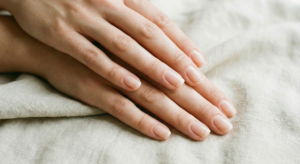
Caring for your fingernails goes beyond looks-proper technique can prevent painful ingrown nails, infections, and breakage. To start with, here’s a concise guide for healthy, problem-free hands. This guide will show you exactly how to cut fingernails properly—ensuring clean, smooth, and problem-free hands for the long term.
Why Proper Nail Cutting Matters
“Because it’s a matter of nail hygiene.”
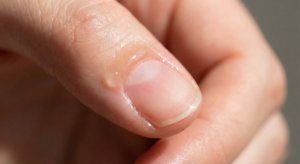
Your fingernails protect your fingertips and reflect your health. Germs can enter the body through the nails, and changes in them can signal diseases such as liver problems or anemia. According to the American Academy of Dermatology (AAD), clean, trimmed nails prevent dirt and bacteria from collecting underneath, lowering the risk of infections and nail diseases.
If you cut your nails too short or in a curve, you can get hangnails, split nails, or even ingrown nails. Therefore, learning the right way to cut nails keeps them healthy, not just good-looking.
Step-by-Step: How to Cut Fingernails Properly
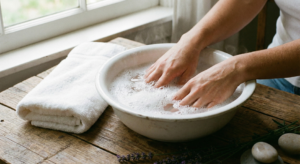
Step 1: Wash and Soften Nails
Start by washing your hands in warm, soapy water for a few minutes to soften nails. This softens nails and makes them easier to trim. The Mayo Clinic advises trimming after a bath or shower, when nails are softest.
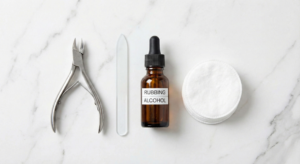
Step 2: Use the Right Nail Tools
Always use a clean, sharp fingernail clipper or manicure scissors. Also, avoid using the same clipper for your toenails, as it may spread bacteria or fungus. Additionally, doctors at the Cleveland Clinic recommend cleaning your nail tools with rubbing alcohol after each use to prevent infection.
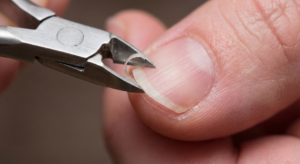
Step 3: Cut Nails Gently and Evenly
The proper way to cut fingernails is to trim them straight across, then slightly round the corners.
Importantly, avoid cutting too deep — leave a tiny white edge (the free margin). This helps prevent painful cuts and nail bed damage. However, for very long nails, clip them in small segments rather than a single large cut. As a result, this technique helps to avoid cracking or splitting.
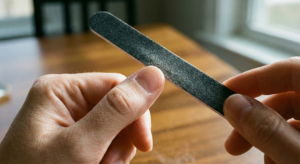
Step 4: File for Smooth Edges
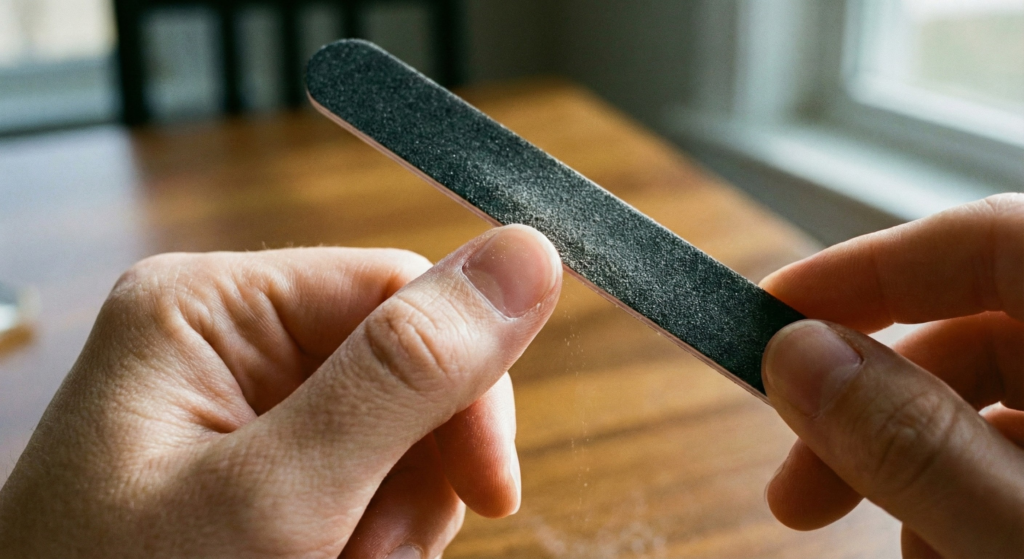
Filing is an important part of cutting nails. Use a fine nail file or emery board and move it gently in one direction. Importantly, avoid filling back and forth. That can make your nails weak. According to Harvard Health, filing the right way keeps nails strong and neat.
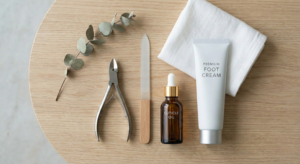 Step 5: Clean and Moisturize After Cutting
After trimming, wash your hands to remove nail dust. Then apply hand cream or cuticle oil. By doing this, you help prevent brittle nails and hangnails. In fact, the American Academy of Dermatology recommends this simple step, which is the proper way to cut nails for long-term health.
Common Nail Care Mistakes to Avoid
Following these steps is important, but knowing what not to do is just as important for nail health.
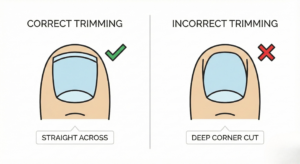
- Cutting nails too short: This can expose your skin and increase your chance of infection.
- Trimming or ignoring cuticles: Cutting cuticles can cause swelling and pain.
- Using dull clippers: Dull tools often create jagged edges, which can cause the nail to tear.
- Skipping filing: Not filing after you cut can cause snags and uneven nails.
- Biting or tearing nails: These habits make nails look bad and hurt them.
Dermatologists emphasize that ‘how to cut nails properly’ includes using clean tools, gentle pressure, and post-care moisturization.
Dermatologists’ Pro Tips: What Experts Do Differently
If you know the basics, try these extra tips to keep your nails really strong and healthy:
- Avoid Cutting Too Short: Never trim your nail right down to the skin. Experts advise leaving at least 1 mm of the white edge to avoid painful infections and damage.
- Do Not Cut Cuticles: The cuticle is a natural barrier. Never cut it. Instead, gently push the cuticles back after soaking your hands to maintain the protective seal.
- Filing Rule: When filing the nail, always move the tool in one direction only. Sawing back and forth weakens the nail structure and leads to splitting.
- Post-Trim Moisture: After clipping, immediately moisturize the nail and cuticle area with a specialized oil or thick hand cream to keep them flexible and prevent dryness.
- Tool Hygiene: For proper safety, sanitize your nail clippers with alcohol before and after every trimming session.
The Cleveland Clinic says that clean tools and nail care keep away fungus and help nails look better.
Proper Fingernail Cutting: A Quick Guide
| Steps | Usage | Benifits |
| 1 | Soften and Clean Nails | Makes trimming easier |
| 2 | Use Sanitized Tools | Prevents the spread of infection |
| 3 | Trim Straight and Then Curve | Avoids damage to the nail structure |
| 4 | Gently File Edges | Ensures a smooth, refined finish |
| 5 | Apply Moisturizer | Helps keep nails strong and healthy |
Following these steps ensures your nails stay strong, smooth, and naturally attractive.
Fingernail Care: Quick Do’s and Don’ts
You can have healthy nails by sticking to simple habits.
Nail Do’s: Your Good Habits
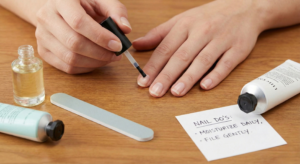
- Keep ’em Clean and Dry: This is key to fighting off germs and preventing splits. Try wearing gloves, especially if your hands are in water a lot.
- Trim Smartly: Cut straight across, then gently smooth out the corners so they’re nice and rounded.
- Moisture is Your Friend: After washing your hands, always use some hand cream or rub a little oil onto your cuticles.
- Think About a Hardener: If your nails break easily, a gentle nail hardener might help.
- Chat with Your Doc: If your nails are really thin or brittle, ask your doctor about trying a biotin supplement.
Nail Don’ts: Things to Stop

- No Biting or Picking: Seriously, this damages your skin and makes infections much more likely.
- Hands Off Hangnails: Don’t rip ’em! Snip them off carefully instead.
- Go Easy on the Chemicals: Skip the harsh, acetone-based removers and other strong nail products.
- Watch for Red Flags: If your nail color or shape changes, or they start hurting, get to a dermatologist right away.
- These tips come from the American Academy of Dermatology and Mayo Clinic. Stay healthy!
Wrapping Up
Learning how to cut fingernails properly is key to maintaining healthy, strong, and infection-free nails. By following the right nail trimming technique, keeping nails clean, filing gently, and moisturizing regularly, you can prevent ingrown nails, breakage, and brittle nails. A consistent nail care routine with sanitized tools and cuticle care ensures your hands look neat, confident, and well-groomed. Always watch for changes in nail color, shape, or texture, and consult a dermatologist if needed to keep your nails in their best condition.
10 Quick-Read Nail Trimming FAQs
| No. | Question | Answer |
| 1. | Should fingernails be cut wet or dry? | Wet or soaked nails are best. They cut smoothly without splitting. |
| 2. | Should I cut my nails straight or rounded? | Fingernails are slightly rounded. Toenails must be cut straight across to prevent ingrown nails. |
| 3. | What is the most common mistake when trimming nails? | Cutting the cuticles or trimming the nail too short which risk infection. |
| 4. | Is clipping bad for nails? | No. Clipping is safe with sharp, clean clippers. Dull tools cause tearing. |
| 5. | What is the proper length for healthy fingernails? | Leave a small white edge (1-2 mm) past the fingertip for protection. |
| 6. | How often should I trim my nails? | Fingernails need trimming every 1 to 2 weeks. Toenails less often (4 weeks). |
| 7. | How to cut nails without clippers? | Soften the nails, then use a high-quality nail file to gently file them down. |
| 8. | Which is better: a clipper or nail scissors? | Clippers are best for thick nails/speed. Scissors give more precision and control. |
| 9. | How do I ensure a clean cut and smooth edges? | Always use a file to smooth the edges. File in one direction only to prevent damage. |
| 10. | Should I sanitize my nail-cutting tools? | Yes, always. Sanitize your tools with alcohol before use to prevent infections. |






6 thoughts on “How to Cut Fingernails Properly — The Correct Way for Healthy Hands”