

Understanding different skin types is the first step to building a perfect routine. It starts with one fundamental question: ‘What is my skin type?’ It sounds simple, but misdiagnosing your skin is the #1 reason products fail to work. Whether you are struggling with flaky dry patches, a shiny oily T-zone, or sudden sensitivity, understanding your unique skin profile is the key to a healthy complexion.

In this comprehensive guide, we will break down the different skin types, explain how to layer skincare products like a pro, and recommend the best skin care products for combination skin and other specific needs, referencing standards from leading health organizations.
How to Identify Different Skin Types: The Expert Method
Before buying expensive serums, you need to know exactly what you are working with. Many people ask, “How can I know my face skin type?” or blindly search for a “what is my skin type quiz.”
To get a reliable answer, experts at the American Academy of Dermatology (AAD) recommend the “Bare-Faced Method”:

- Cleanse your face thoroughly with a mild cleanser.
- Pat dry and do not apply any products.
- Wait for 30 minutes.
Interpreting Your Results
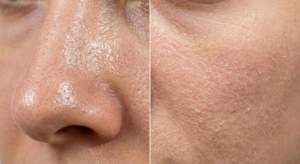
- Oily Skin: Your face looks shiny throughout the day, especially on the forehead and nose. You might wonder, “Why is my skin so shiny but not oily?”—sometimes this is actually dehydration, but true oily skin produces excess sebum naturally everywhere.
- Dry Skin: Your skin feels tight, rough, or flaky when you smile. You may notice different types of skin fades or dullness due to a lack of oil production.
- Combination Skin: This is the most common type. If you are asking, “How do I know if I have combination skin?”, look for an oily T-zone (forehead, nose, chin) paired with dry or normal cheeks.
- Sensitive Skin: Your skin reacts easily to products, turning red, stinging, or itchy. You likely need a dedicated sensitive skin care routine free from fragrances.
- Normal Skin: Your skin feels balanced—neither too oily nor too dry. Skin care for normal skin is about maintenance rather than correction.
Deep Dive into Combination Skin Meaning and Care
Combination skin meaning is exactly what it sounds like: having two distinct skin states on one face. A major confusion arises when comparing oily skin type vs combination.
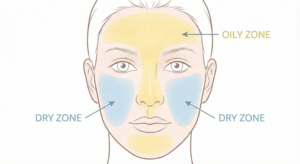
- Oily Skin: Sebum production is high all over the face.
- Combination Skin: Only specific areas (T-Zone) are oily, while cheeks are dry.
For those with this type, finding the best products for combination skin is a balancing act. You need hydration for dry areas without clogging the oily zones. Look for terms like “non-comedogenic” and “gel-cream formulas.”
The Science of Layering: Proper Skin Care Routine Order
Even the best products won’t work if applied incorrectly. Understanding how to layer skincare products ensures maximum absorption and prevents pilling. A common question beginners ask is, “Cleanser or moisturizer first?” Always start with a cleanser!
Here is the expert-recommended proper skin care routine order:
Step 1: Cleanser
Use a gentle wash. For different skin types, textures matter: foam for oily skin, cream for dry skin.
Step 2: Toner
What type of toner is best for dry skin? Hydrating toners with Glycerin or Hyaluronic Acid are best. Oily skin benefits from exfoliating toners with Salicylic Acid.
Step 3: Serum and Treatments
What step is serum in skincare? It comes after toning but before moisturizing.
- When to use vitamin C serum in routine: Always in the morning (AM) to boost sun protection.
- Order of skin care with retinol: If you are using retinoids, apply them at night after cleansing and drying your face completely.
Step 4: Eye Cream
Apply gently around the orbital bone using your ring finger.
Step 5: Moisturizer
This locks in hydration. How to tell if you have oily or dry skin often depends on how fast your moisturizer absorbs.
Step 6: Sunscreen (AM Only)

This is non-negotiable for different types of skin tones, from types of black skin tone to light complexions. The Skin Cancer Foundation emphasizes that daily sunscreen use significantly prevents aging and hyperpigmentation.
AM and PM Routines for Different Skin Types
To build authority, you must recognize that your skin needs different things at different times of the day.
The Best AM and PM Skincare Routine for Oily Skin
- AM Routine: Gel Cleanser > Niacinamide Serum > Best sunscreen for combination skin (matte finish).
- PM Routine: Oil Cleanser (Double Cleanse) > Salicylic Acid Cleanser > Lightweight Moisturizer.
- Note: A night skin care routine for oily skin should focus on deep cleaning the pores.
The Sensitive Skin Care Routine
- Focus on hypoallergenic skin products.
- Avoid alcohol and heavy fragrances.
- Good skin care for sensitive skin, as suggested by the National Eczema Association, includes ingredients like Ceramides, Aloe Vera, and Centella Asiatica to repair the barrier.
Analyzing Skin Texture and Conditions
Skincare isn’t just about oil and dryness; it’s also about texture and grooming.
- Bumps and Texture: If you notice different types of bumps on skin, it could be closed comedowns or keratosis pilaris. Regular exfoliation helps.
- Pigmentation: Issues like types of skin color complexion unevenness or dark spots can be treated with Vitamin C and Alpha Arbutin.
- Moles: Always monitor different types of moles on your skin. The Mayo Clinic advises consulting a dermatologist immediately if a mole changes shape or color (the ABCDE rule).

Don’t ignore changes in your skin. A professional check-up is the best way to ensure safety. - Grooming: Proper grooming for different skin types involves not just face care but also moisturizing the body and using appropriate shaving techniques to avoid irritation.
Product Ingredients & Safety
Before trying a new routine, safety comes first.
Can Salicylic Acid Lighten Skin?
You might wonder, “Can salicylic acid lighten skin?” While it is primarily a BHA for acne, it exfoliates the top layer of dead skin cells. This exfoliation removes dullness and dark spots, effectively brightening the complexion over time.
How to Patch Test Skincare
To avoid a bad reaction, you must know how to patch test skincare:
- Apply a small amount of product behind your ear or on your inner arm.
- Wait 24 hours.
- If there is no redness or itching, it is likely safe to use on your face.
Frequently Asked Questions (FAQs)
Here are answers to some common questions about different skin types and routines.
Why is my skin so shiny but not oily?
This is a very common concern. If you are asking, “Why is my skin so shiny but not oily?”, the answer often lies in dehydration. When your skin lacks water, it overcompensates by producing more oil. Unlike true oily skin, dehydrated skin feels tight underneath the shine. To fix this, use a hydrating serum with Hyaluronic Acid.
Do you use toner or serum first?
The general rule for how to layer skincare products is to go from thinnest to thickest consistency. So, do you use toner or serum first? You should always apply toner first. Toner balances the skin’s pH and preps it to absorb the concentrated ingredients found in your serum.
What is medium skin complexion?
Understanding types of skin color complexion helps in choosing makeup and sun protection. What is medium skin complexion? It generally refers to skin tones that are neither very fair nor very deep, often having beige, olive, or gold undertones. People with this complexion usually tan easily but can still burn, so using the best sunscreen for combination skin or your specific skin type is still essential.
Conclusion
Whether you are dealing with texture issues, moles, or just want a glow, consistency is key. Don’t stress about a complex 10-step regimen immediately.

Start by identifying if you have normal skin, oily, or combination, and follow the proper skin care routine order. Remember, the best skin care products for combination skin are the ones that make your skin feel balanced and healthy.






4 thoughts on “Different Skin Types: Routines & Best Products”